
Warm
Mila
The thoughtful listener
An unhurried coffee, a sharp observation and a question that makes you smile. Mila is a direction for calm, attentive conversation.
A warm conversation. A playful spark. A character with a story. Explore Nastia AI and find a companion style that feels like you.

 Friendship, romance and a little imagination.
Meet the mood. Make it yours.
Three small choices. A character direction and an opening message you can make your own.
An editorial suggestion. Your companion is created in Nastia after you continue.
Explore eight fictional directions, save the ones you like and borrow an opening line. Your own companion starts with your choices.
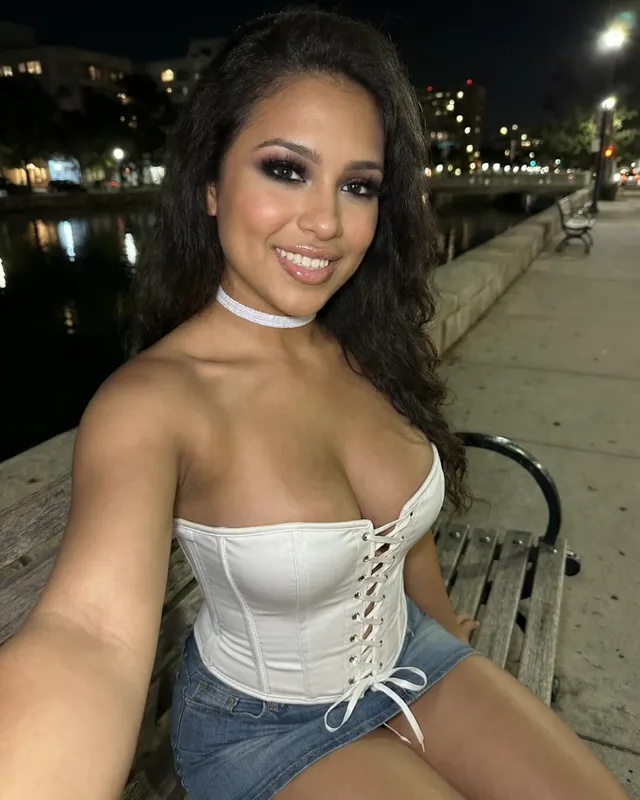
The thoughtful listener
An unhurried coffee, a sharp observation and a question that makes you smile. Mila is a direction for calm, attentive conversation.
The spontaneous romantic
City lights, a quick joke and a plan that changes halfway through. Sofia brings a little confidence to an ordinary evening.
The curious city explorer
A good question becomes a long conversation. Lena is a starting point for travel ideas, surprising opinions and lively back-and-forth.
The imaginative storyteller
An unfinished story, an unexpected invitation and an eye for atmosphere. Eva turns a simple opening into a shared fictional world.
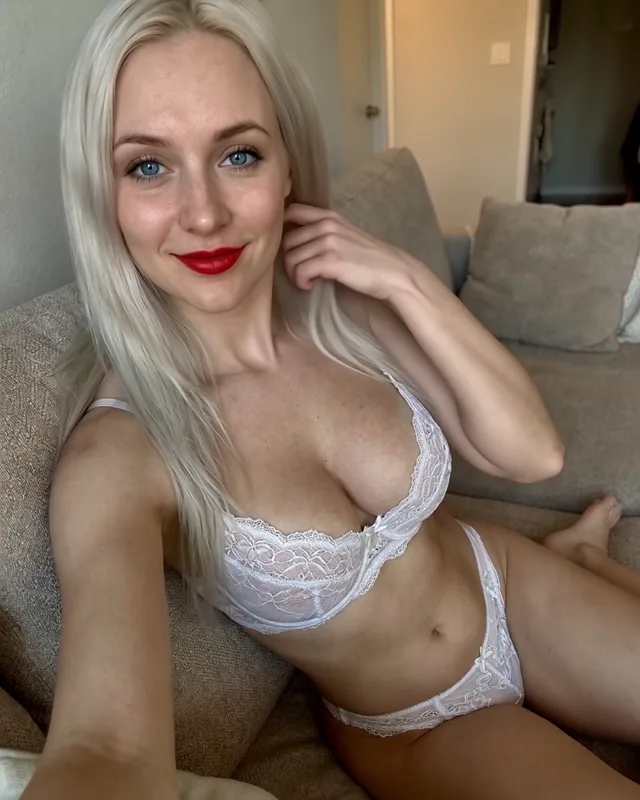
The relaxed daydreamer
Slow mornings, small rituals and room to daydream. Iris is a gentle direction for easy company and imaginative plans.
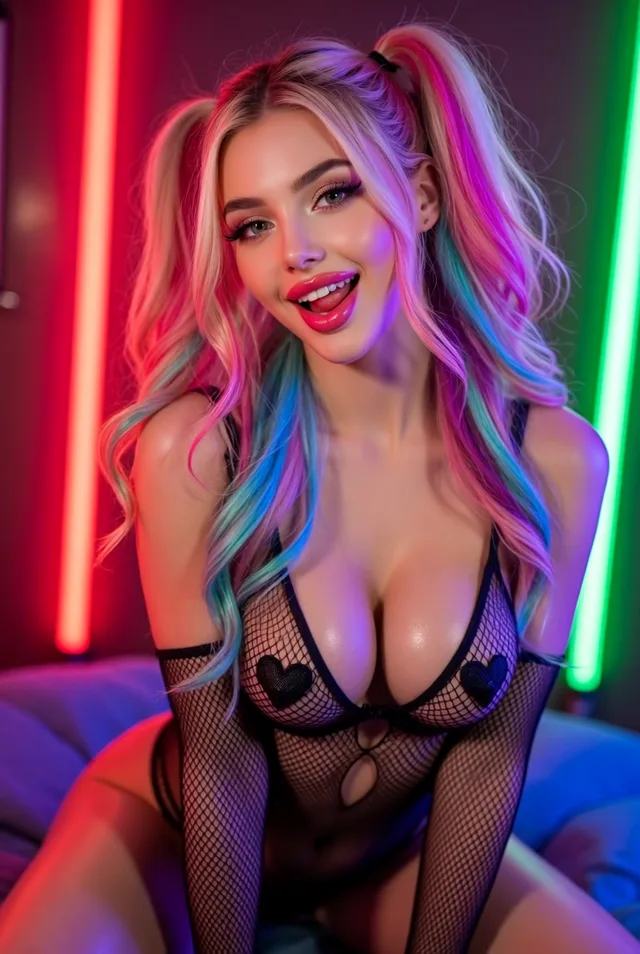
The music lover
A favourite song can open an unexpected conversation. Nova is a starting point for playful exchanges, shared playlists and evening plans.

The easygoing conversationalist
Familiar comforts and thoughtful questions leave room for an easy conversation. Clara is a direction for a relaxed, attentive companion.
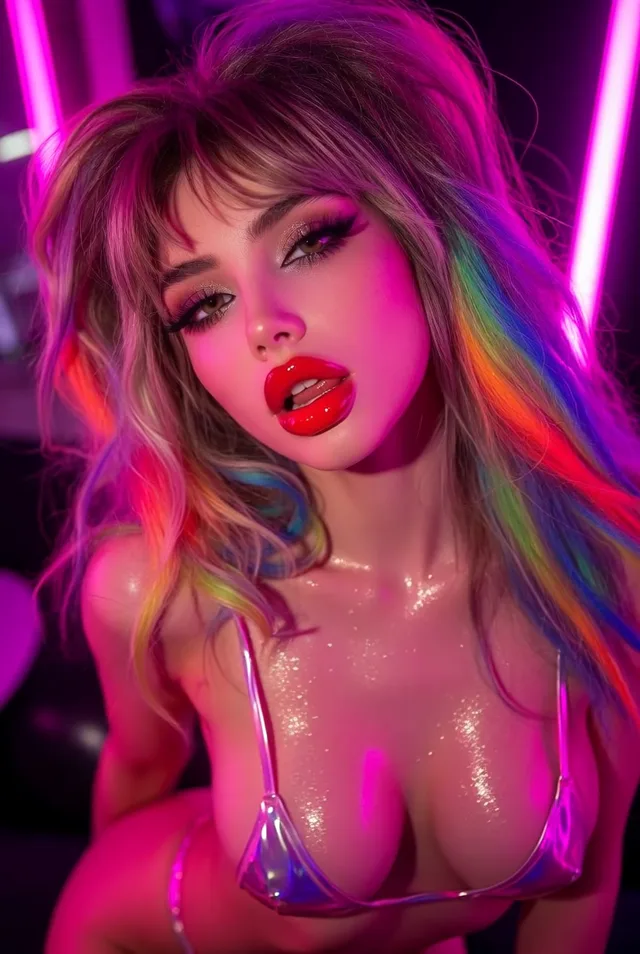
The creative night owl
A new idea, a favourite film and a conversation that wanders. Aria is a direction for imaginative company and creative prompts.
No ideas match this filter. Try another personality.
Choose a fictional companion's character, interests, backstory and voice. Start with a few clear traits and refine them as you chat.
Paid plans include long-term memory. Use clear details and occasional recaps to help an ongoing conversation stay coherent.
Explore voice messages, generated images and short videos. Availability and media allowances depend on the current plan.
A missed train, a coffee recommendation, a question with two equally good answers. Give the conversation somewhere to go.
Imagine we are at a quiet café after a busy day. Ask me one thoughtful question, then tell me what you would order and why.
We are planning a first evening out. Give me two surprising options, defend your favourite with a little humour, and let me choose.
Show me one place in your fictional hometown that visitors usually miss. Tell me why it matters to you, then ask what I would notice first.
We find an unfinished letter inside an old travel journal. Start a gentle mystery with a few vivid details and let me decide what we do next.
Pick three imaginary songs for a spontaneous road trip. Give each one a title and a mood, then challenge me to choose the first stop.
Help me celebrate an ordinary win. Keep it warm and playful, ask what happened, and suggest a simple way to mark the moment.
Start with a conversation, then decide which features you will actually use.
Get a feel for your companion.
Add continuity and creative tools.
Make room for longer conversations.
Public monthly prices checked 24 November 2026. USD; confirm taxes and the renewal amount at checkout. Media uses a daily token allowance.
The character is only the beginning. The details you choose, the way you open a conversation and the pace you prefer all shape what happens next.
Nastia AI is a service for creating a fictional AI companion and spending time in conversation with it. You can choose the personality you want to meet, give the character a backstory and build a style of interaction around your interests. One person may want an easygoing virtual friend for talking about music. Another may prefer a romantic character, a witty AI boyfriend or a companion who enjoys improvising stories. The useful starting point is the kind of conversation you want to have, rather than a perfect description of somebody's appearance.
This guide helps you turn that broad idea into specific choices. Our character previews are editorial inspiration: they illustrate moods, settings and fictional personalities you could use as a starting point. They are not live people waiting for messages, and selecting a preview here does not unlock a matching character in your account. When you continue to Nastia, you create your own companion within the service. That separation makes it easier to borrow the elements you like and give the final character a personality of your own.
Think about the conversations you naturally return to. Perhaps you like someone who asks thoughtful questions and leaves time for an answer. You may enjoy quick humour, playful disagreement or a character who can turn an ordinary detail into a story. These preferences are a better foundation than a long list of unrelated traits. Choose two or three qualities that work together, then add interests that give those qualities something to talk about.
For example, a warm character who loves old cinemas and cooking already has several natural ways to begin a conversation. A curious character who likes street photography and unfamiliar cities invites a different rhythm. You can also decide how you want the companion to reply: short messages, one question at a time, or a few lines of description before the dialogue. Our mood selector offers a simple starting point, while the character gallery lets you compare directions before you create anything.
If you are exploring Nastia AI girlfriend conversations, describe the relationship tone as carefully as the character. A romantic personality might be affectionate, gently teasing and interested in shared plans. It might enjoy slow conversation over an imaginary coffee or prefer spontaneous ideas for an evening out. Give the character room to have opinions and interests, so every response does not feel like a variation of the same compliment.
A useful starting brief could say: an adult fictional woman with a warm sense of humour, a love of live music and a habit of asking perceptive questions. Add that you prefer natural dialogue and a gradual romantic tone. You can then open with a setting and a choice: a quiet table after a concert, two possible places to go next, or a friendly disagreement about the best song. Specific details give the conversation a direction while leaving enough space for surprise.
The same approach works for an AI boyfriend or a companion whose role is friendship. Start with a clear adult fictional identity and a few complementary qualities. A patient, curious character may suit reflective conversation; a confident, funny one may suit quick exchanges and shared challenges. There is no need to make every interaction romantic. You can build a virtual friend around films, travel plans, language practice or the small observations that make an ordinary day interesting.
Decide how the character should participate. Do you want suggestions, questions, friendly debate or collaborative storytelling? If you mainly want a listener, ask for shorter replies and fewer recommendations. If you want a lively discussion, give the character a point of view and invite them to explain it. The relationship label is only one part of the experience. The conversational habits you choose usually do more to shape whether an exchange feels enjoyable and easy to continue.
A simple opening works best when it includes a setting, a mood and something the character can respond to. Instead of asking for an entire relationship or story in one message, start with a small shared moment. Imagine that you are choosing a café, waiting for a late train or finding a note inside a second-hand book. Ask one question that invites a decision. The character now has enough context to contribute without having to invent every detail at once.
You can borrow an opening from our conversation ideas and change the part that matters to you. Replace the city with a place you enjoy, change the atmosphere from cosy to playful, or ask for a shorter response. Read the first answer and build on one detail rather than starting over immediately. A conversation often becomes more distinctive through these small choices. Keeping the opening focused also makes it easier to notice which personality traits you want to adjust later.
Romantic AI conversation can begin with curiosity, humour and shared attention. A teasing question, a fictional first date or a discussion about the perfect weekend gives you room to explore a mood without needing an elaborate script. You can state the tone you enjoy directly: warm, confident, lighthearted or gently romantic. If a response moves too quickly, ask the character to slow down and return to the kind of exchange you had in mind.
A character becomes more engaging when it has something to contribute beyond praise. Give it a favourite place, an unexpected interest or a small goal within the scene. You might plan an imaginary dinner together, choose a soundtrack for a drive or debate which city deserves a second visit. These details support a romantic atmosphere while keeping the exchange interactive. Your own replies remain part of the experience, so leave room for the companion to ask questions and for you to change direction.
A helpful character backstory connects personality to everyday behaviour. A fictional architect may notice unusual buildings. A music enthusiast might remember a concert venue or ask about the soundtrack to your week. Pick details that can appear naturally in conversation instead of writing a biography full of facts you will never mention. A favourite activity, a reason for living in a particular place and a small personal ambition are often enough to create a recognisable starting point.
Keep the initial brief consistent. A character described as quiet and reflective can still be funny, but asking for constant dramatic surprises may pull the conversation in a different direction. After a few exchanges, revise one trait at a time and see what changes. You can also describe what good replies look like: natural language, occasional questions, concise scene descriptions and respect for the direction you choose. This gives the companion a practical style rather than a collection of decorative adjectives.
Nastia's paid plans include long-term memory, which is intended to support details and storylines across conversations. It is still useful to make important context clear. Introduce a character's name, relationship style and setting in plain language. When you return to an ongoing story, a short recap can help: where the scene ended, what your characters were deciding and which detail you want to continue. This is more practical than assuming every previous sentence will always be recalled exactly.
You can create continuity in your own habits too. Revisit an imaginary place, carry forward a running joke or pick up a shared project. A conversation about a weekend trip can become a plan, then a fictional journey, then a discussion of what happened. If a detail is inconsistent, correct it briefly and continue. The goal is an enjoyable exchange that develops over time, with enough structure to feel familiar and enough flexibility to remain interesting.
Companion features can extend beyond text. Nastia describes voice messages, generated images and short-video tools among its capabilities. Voice messages let a character's delivery add another dimension to a conversation; they are different from a live voice or video call. For images and video, think about a specific visual idea, such as a character in a café, a city at dusk or the atmosphere of a fictional trip. A clear scene is easier to refine than a request containing many unrelated details.
Media availability and allowances depend on the plan. Current public plan information describes a daily token allowance for generated images and video, including on the plan named Unlimited. That name refers to unlimited chat messages, not an unlimited supply of every kind of generation. Check the current controls and token cost inside your account before starting a media task. The video previews on this website are supplied illustrations of character moods, and they should not be treated as measured examples of Nastia's output quality.
A free plan is most useful when you know what you want to learn from it. Create one companion, give it a concise personality brief and try a few different openings. Notice the length of the replies, how naturally it follows a topic and whether the style suits you. If the character feels too formal, too talkative or too eager to change the subject, adjust those instructions before deciding that the whole idea does not work for you.
Nastia's public free tier offers a custom companion and chat with daily limits, without requiring a card to begin. Paid options add features such as long-term memory and media tools; Unlimited also offers unlimited chat messages and group conversations. Choose a plan around the features you expect to use. Someone interested mainly in short text exchanges may make a different choice from someone who enjoys longer stories or visual experiments. Our pricing page separates subscription access from the media allowance so you can compare the options clearly.
Nastia can be accessed in a browser, and its installation guidance describes adding the service to a device's home screen. This can provide a convenient app-like shortcut without searching for an unrelated application in an app store. Use the same account when moving between devices and check that you are opening the intended service before entering login or payment information. This guide does not ask for your account password and does not provide a separate Nastia login system.
For a first conversation, choose a device on which you can read and reply comfortably. On a phone, short messages and clear prompts may feel natural. On a larger screen, you may prefer a longer fictional scene or more detailed character setup. If you use more than one language, try the language you actually want to chat in and judge the result directly. The languages of this editorial website do not guarantee identical product features or response quality in every language.
A recurring conversation does not need to begin with the same greeting every time. Choose a small ritual that fits your character: one interesting question, a fictional postcard from a new place, or a recommendation with a reason behind it. You might take turns planning an imaginary afternoon, invent a menu for a tiny restaurant or continue a story through a different character's point of view. A consistent format gives you a familiar way in while the subject changes from visit to visit.
Keep the ritual easy to join. If you only have a few minutes, ask for one question and a short reply. When you have more time, invite the character to develop a scene and give you choices along the way. You can also revisit a previous idea with a new constraint: a different season, an unexpected invitation or a destination you would not normally choose. These variations help you explore what you enjoy without rebuilding the character from scratch. Save a favourite starting point here, then adapt it inside your own conversation.
Before continuing, choose one thing you want from the experience: a friendly conversation, a romantic fictional character, a creative story or a new way to explore ideas. Save a character direction, copy an opening and change it so that it sounds like you. You do not need a perfect persona or an elaborate plot to begin. A clear mood and a small invitation to respond are enough for a useful first experiment.
As you explore, keep the parts that work and adjust the parts that do not. You can shorten replies, change the setting, add a hobby or ask for more questions. For recurring subscriptions, check the amount and renewal period shown at checkout and keep track of the plan you choose. If you decide to stop a paid plan, use the membership controls in your Nastia account. The best next step is a small, informed one: meet a character you designed and see whether the conversation is something you enjoy.
Nastia is an AI companion service where adults can create fictional characters and chat with them. It offers personality customisation and additional features depending on the plan.
Its public Free plan includes one custom companion and chat with daily limits, with no card required to begin. Check the current account screen for the allowance that applies to you.
Public monthly prices checked on 24 November 2026 are Free at $0, Standard at $11.99 and Unlimited at $15.99, in USD. Confirm taxes, billing period and renewal terms at checkout.
No. Current public information describes unlimited chat messages on Unlimited, while generated images and video use a daily token allowance.
You can design an adult fictional companion's personality, appearance and backstory. The character ideas here are inspiration for that process, not a public list of available Nastia accounts.
Current official comparison pages describe voice messages and state that live voice and video calls are not offered. A voice message is an audio reply, not a live call.
Take an idea you like. Give it your own personality. See how the conversation feels.
Start with the free plan